



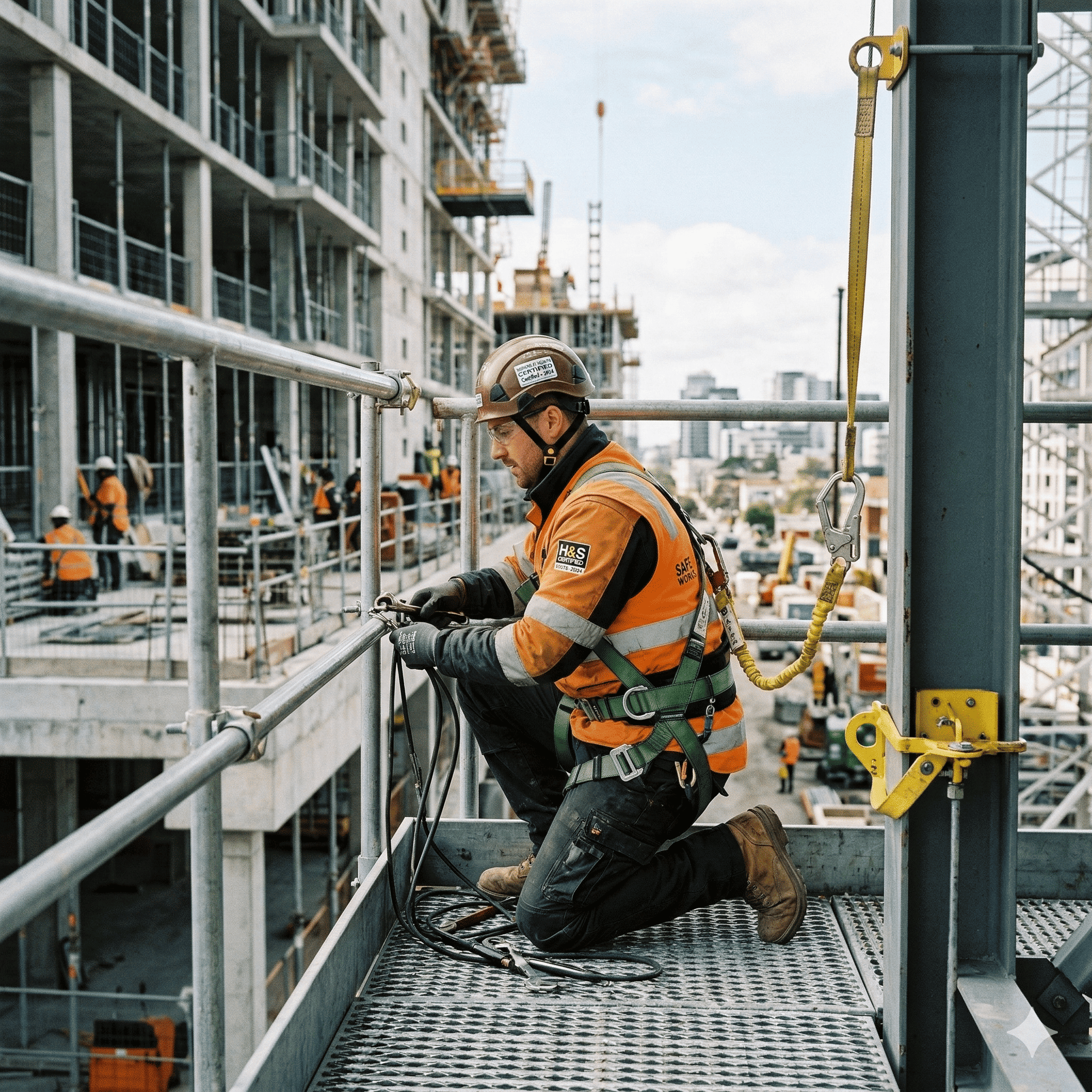
Working at heights is one of the most dangerous activities in many industries, from construction and maintenance to utilities and warehousing. Accidents at elevated levels can result in severe injuries, long-term disability, or even fatalities. That’s why obtaining a working at heights certificate is not just a recommendation—it’s a vital component of workplace safety in Ireland.
This article explores why working at heights training, including working at heights online training, is crucial, how a working at heights certificate can protect workers and employers, and the benefits of health and safety courses online.
Understanding Working at Heights
“Working at heights” refers to any task performed above ground level where a person could fall and injure themselves. This includes activities such as:
-
Climbing ladders or scaffolding
-
Roof work
-
Maintenance of high machinery
-
Window cleaning on multi-story buildings
-
Use of elevated platforms or cherry pickers
Falls are one of the leading causes of workplace injuries in Ireland, according to the Health and Safety Authority (HSA). Proper training ensures that workers can recognize hazards, use equipment safely, and respond effectively in emergencies.
What is a Working at Heights Certificate?
A working at heights certificate is proof that an individual has completed accredited training in safely performing tasks at elevation. In Ireland, this certification is recognized across multiple industries and is often required before an employee can undertake height-related work.
Typical training programs cover:
-
Risk assessment and hazard identification
-
Use of personal protective equipment (PPE)
-
Ladder, scaffold, and platform safety
-
Fall arrest systems
-
Emergency response procedures
Completing the training demonstrates competence, increases employability, and ensures legal compliance with workplace safety regulations.
Legal Requirements in Ireland
Under Irish law, employers have a legal obligation to protect workers who operate at heights. The Safety, Health and Welfare at Work (Construction) Regulations 2013 specify that workers must be trained and competent in safety procedures relevant to their tasks.
Failing to provide adequate working at heights training can result in serious legal consequences, including fines, prosecution, and increased insurance costs. More importantly, it increases the risk of workplace accidents, which can have devastating consequences for both workers and organizations.
Benefits of Having a Working at Heights Certificate
1. Enhanced Safety Awareness
A working at heights certificate ensures that workers understand the risks associated with height work and the correct procedures to minimize them. This knowledge helps prevent accidents caused by slips, trips, and falls.
2. Legal Compliance
Employers must comply with Irish health and safety legislation. By providing working at heights training, organizations meet legal requirements and avoid potential fines or sanctions.
3. Improved Employability
Many employers require employees to hold a working at heights certificate before they can be deployed on high-risk tasks. Certification demonstrates professionalism and readiness, giving certified workers a competitive edge in the job market.
4. Reduction in Workplace Accidents
Trained workers are more likely to follow safe practices, use equipment correctly, and identify hazards early. This reduces the number and severity of workplace accidents, protecting both employees and the company.
5. Confidence in Emergency Situations
Training teaches workers how to respond to emergencies such as falls or equipment failure. Certified individuals can act quickly and effectively, reducing the potential impact of accidents.
Working at Heights Online Training
In Ireland, working at heights online training has become a convenient alternative to traditional classroom courses. Online courses allow workers to study theory modules at their own pace while still covering essential safety procedures.
Advantages of online training include:
-
Flexibility: Study from home or work at your convenience.
-
Accessibility: Available across Ireland, including remote areas.
-
Cost-effectiveness: Reduced travel and venue costs.
-
Immediate Certification: Many programs issue a digital working at heights certificate upon completion.
While online courses cover theoretical knowledge, practical assessments may still be required to ensure hands-on competence. Many providers now offer hybrid models that combine online learning with practical on-site assessment.
Health and Safety Courses Online
A working at heights certificate is often part of broader health and safety courses online in Ireland. Other complementary courses include:
-
Fire safety awareness
-
Manual handling and ergonomics
-
First aid at work
-
Risk assessment and safety management
Taking multiple courses can provide a comprehensive understanding of workplace safety, enhance career prospects, and strengthen compliance with legal requirements.
Who Should Take Working at Heights Training?
Working at heights training is essential for anyone performing tasks at an elevated level, including:
-
Construction workers and site supervisors
-
Roofers and maintenance personnel
-
Window cleaners and painters
-
Warehouse staff using elevated platforms
-
Telecommunications and utility workers
Even occasional work at heights requires training to ensure safety and compliance. Employers are legally obliged to provide appropriate training to all employees exposed to height-related risks.
Tips for Maximizing Your Training
To get the most out of your working at heights training, consider these tips:
-
Choose an Accredited Provider: Ensure your course is recognized by Irish authorities.
-
Follow Practical Guidelines: Pay close attention to demonstrations of equipment use and emergency procedures.
-
Take Notes and Revise: Document key safety principles for future reference.
-
Apply Knowledge Practically: Whenever possible, practice skills in a supervised environment.
-
Keep Certification Accessible: Store your working at heights certificate digitally and physically to show employers.
Combining Online and Practical Training
While online training provides theoretical knowledge, practical skills are essential for full competence. Many providers offer hybrid programs that combine working at heights online training with on-site assessments. This ensures workers can safely apply their knowledge in real-world situations.
Conclusion
A working at heights certificate is more than just a piece of paper—it’s a critical tool for protecting workers, ensuring legal compliance, and fostering a culture of safety. With the rise of working at heights online training and other health and safety courses online, Irish workers can access high-quality training conveniently and cost-effectively.
Whether you’re an employer seeking to meet safety regulations or an employee aiming to enhance your skills, obtaining a working at heights certificate is an essential step toward workplace safety. Prioritize training today, and make your work environment safer for everyone.