



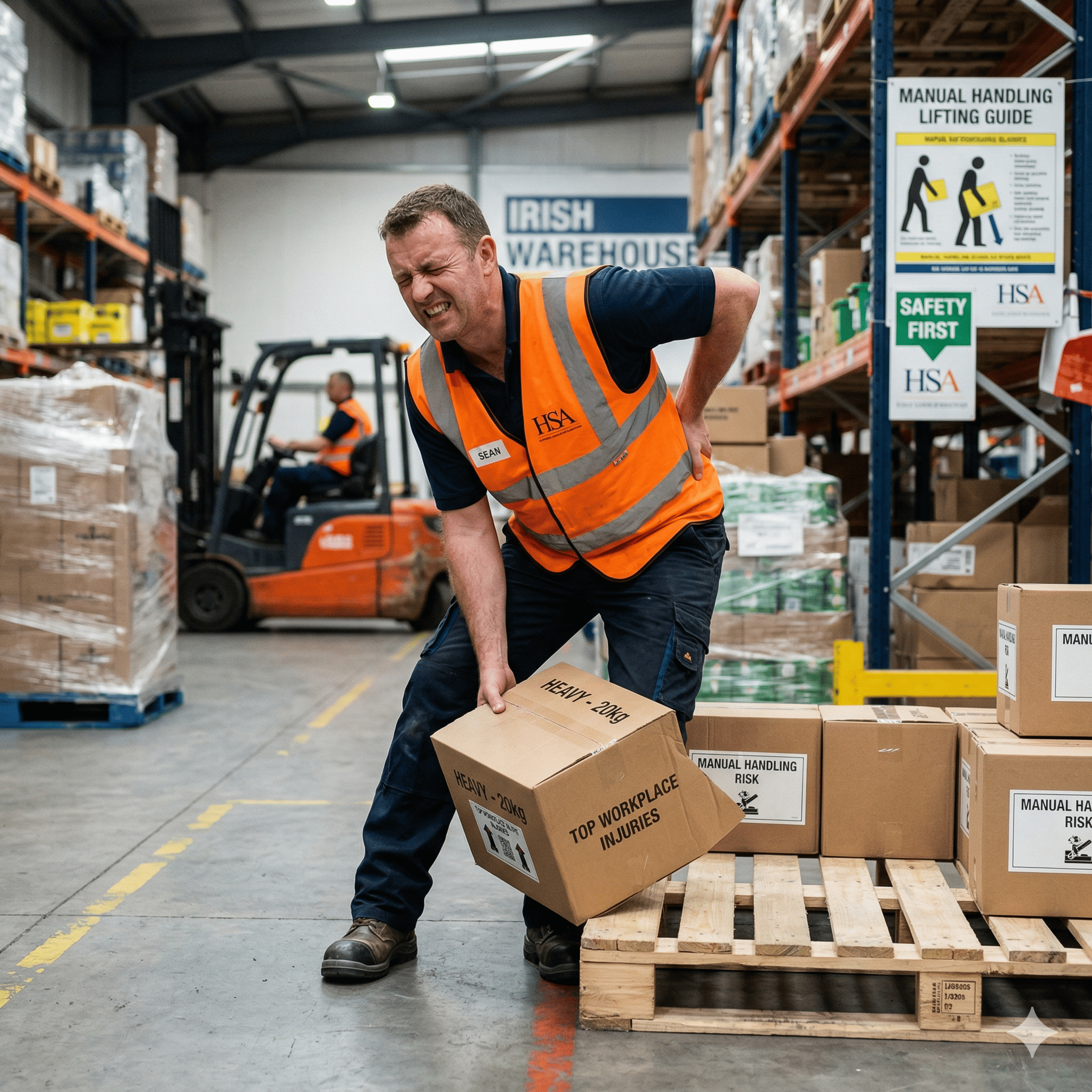
Manual handling is one of the most common workplace activities across Ireland, yet it remains a leading cause of employee injuries. From lifting heavy boxes in warehouses to assisting patients in healthcare settings, improper techniques can result in serious and long-lasting health problems.
Understanding the most common injuries caused by poor manual handling is essential for both employers and employees. With proper manual handling training Ireland, many of these injuries can be prevented, creating safer and more productive workplaces.
In this guide, we explore the top workplace injuries linked to poor manual handling and how completing a manual handling course Ireland can significantly reduce these risks.
Why Manual Handling Injuries Are So Common
Manual handling tasks are often underestimated. Many workers assume lifting or carrying objects is simple, but without proper technique, even light loads can cause injury over time.
Common reasons for injuries include:
- Lack of proper training
- Repetitive tasks without breaks
- Poor posture or technique
- Handling loads that are too heavy or awkward
- Unsafe working environments
Employers who invest in manual handling training Ireland help employees recognize these risks and avoid dangerous practices.
1. Back Injuries and Lower Back Pain
The most common injury associated with poor manual handling is back pain, particularly in the lower back.
How It Happens
- Lifting heavy objects incorrectly
- Twisting while carrying a load
- Bending from the waist instead of the knees
Impact
Back injuries can range from mild discomfort to severe conditions such as herniated discs. In some cases, employees may require long-term treatment or even be unable to return to work.
Prevention
A proper manual handling course Ireland teaches safe lifting techniques, such as keeping the back straight, bending the knees, and holding loads close to the body.
2. Muscle Strains and Sprains
Muscle strains and sprains are another frequent result of poor manual handling. These injuries affect muscles, ligaments, and tendons.
How It Happens
- Overexertion أثناء lifting
- Sudden or jerky movements
- Carrying loads beyond physical capacity
Impact
Strains and sprains can cause pain, swelling, and reduced mobility. While some injuries heal quickly, others may require physiotherapy or extended recovery time.
Prevention
Completing manual handling training Ireland helps workers understand their physical limits and use proper techniques to avoid overexertion.
3. Shoulder Injuries
The shoulders are particularly vulnerable during manual handling tasks, especially when lifting objects above shoulder height.
How It Happens
- Reaching or lifting overhead
- Carrying heavy loads for extended periods
- Poor posture أثناء lifting
Impact
Shoulder injuries can include strains, tendon damage, or even rotator cuff injuries. These conditions can severely limit movement and affect daily activities.
Prevention
A certified manual handling certificate Ireland course teaches safe handling techniques and encourages the use of mechanical aids when lifting overhead.
4. Neck Injuries
Neck injuries often occur بسبب poor posture and improper lifting techniques.
How It Happens
- Tilting the head forward while lifting
- Carrying loads unevenly
- Repetitive strain over time
Impact
Neck injuries can cause stiffness, headaches, and reduced range of motion. Chronic neck pain can significantly affect quality of life.
Prevention
Proper posture and ergonomic practices taught in a manual handling course Ireland can help prevent these injuries.
5. Knee Injuries
Knee injuries are common when workers use incorrect lifting techniques or carry heavy loads.
How It Happens
- Bending incorrectly أثناء lifting
- Sudden movements or twisting
- Carrying excessive weight
Impact
Knee injuries can include ligament damage, strains, or long-term joint issues. These injuries can limit mobility and require medical treatment.
Prevention
Learning to lift باستخدام the legs rather than the back is a key principle of manual handling training Ireland.
6. Repetitive Strain Injuries (RSIs)
Repetitive strain injuries develop over time due to repeated manual handling tasks.
How It Happens
- Performing the same movement repeatedly
- Lack of rest or variation in tasks
- Poor ergonomic setup
Impact
RSIs can affect the hands, wrists, arms, and shoulders. Symptoms include pain, numbness, and weakness.
Prevention
A manual handling certificate Ireland course teaches workers to vary tasks, take breaks, and use proper techniques to reduce strain.
7. Crush Injuries
Crush injuries occur when a body part is caught between objects أثناء manual handling.
How It Happens
- Dropping heavy loads
- Poor coordination أثناء team lifting
- Lack of awareness of surroundings
Impact
These injuries can be severe, leading to fractures, internal injuries, or permanent damage.
Prevention
Proper training in risk assessment and teamwork, covered in a manual handling course Ireland, can help prevent such accidents.
8. Foot and Toe Injuries
Feet are often at risk during manual handling tasks, especially when heavy objects are dropped.
How It Happens
- Dropping loads
- Wearing inadequate footwear
- Poor handling techniques
Impact
Injuries can include bruising, fractures, or crushed toes.
Prevention
Using protective footwear and following safe handling practices taught in manual handling training Ireland reduces these risks.
The Role of Manual Handling Training in Injury Prevention
Most of these injuries are preventable with proper training. A high-quality manual handling training Ireland program provides:
- Knowledge of safe lifting techniques
- Understanding of workplace risks
- Practical skills to handle loads safely
- Awareness of personal limits
Completing a manual handling course Ireland not only reduces injury risk but also improves confidence and efficiency in the workplace.
Employer Responsibility in Preventing Injuries
Employers play a crucial role in reducing manual handling injuries. Their responsibilities include:
- Conducting risk assessments
- Providing appropriate training
- Supplying equipment مثل trolleys or lifting aids
- Encouraging safe work practices
Providing employees with a valid manual handling certificate Ireland ensures compliance with Irish health and safety laws.
Long-Term Impact of Manual Handling Injuries
Ignoring proper manual handling practices can have serious long-term consequences:
- Chronic pain and disability
- Reduced productivity
- Increased absenteeism
- Higher healthcare and insurance costs
Investing in manual handling training Ireland is not just about compliance—it’s about protecting employees’ long-term health.
Conclusion
Poor manual handling is one of the leading causes of workplace injuries in Ireland, affecting the back, muscles, shoulders, and more. These injuries can have serious consequences for both employees and employers, but they are largely preventable.
By completing a recognized manual handling course Ireland and obtaining a manual handling certificate Ireland, workers can learn the skills needed to handle loads safely and reduce risks.
For employers, investing in proper manual handling training Ireland is a smart decision that improves safety, boosts productivity, and ensures compliance with legal requirements.
Ultimately, safer manual handling practices lead to healthier employees, fewer injuries, and a more efficient workplace.