



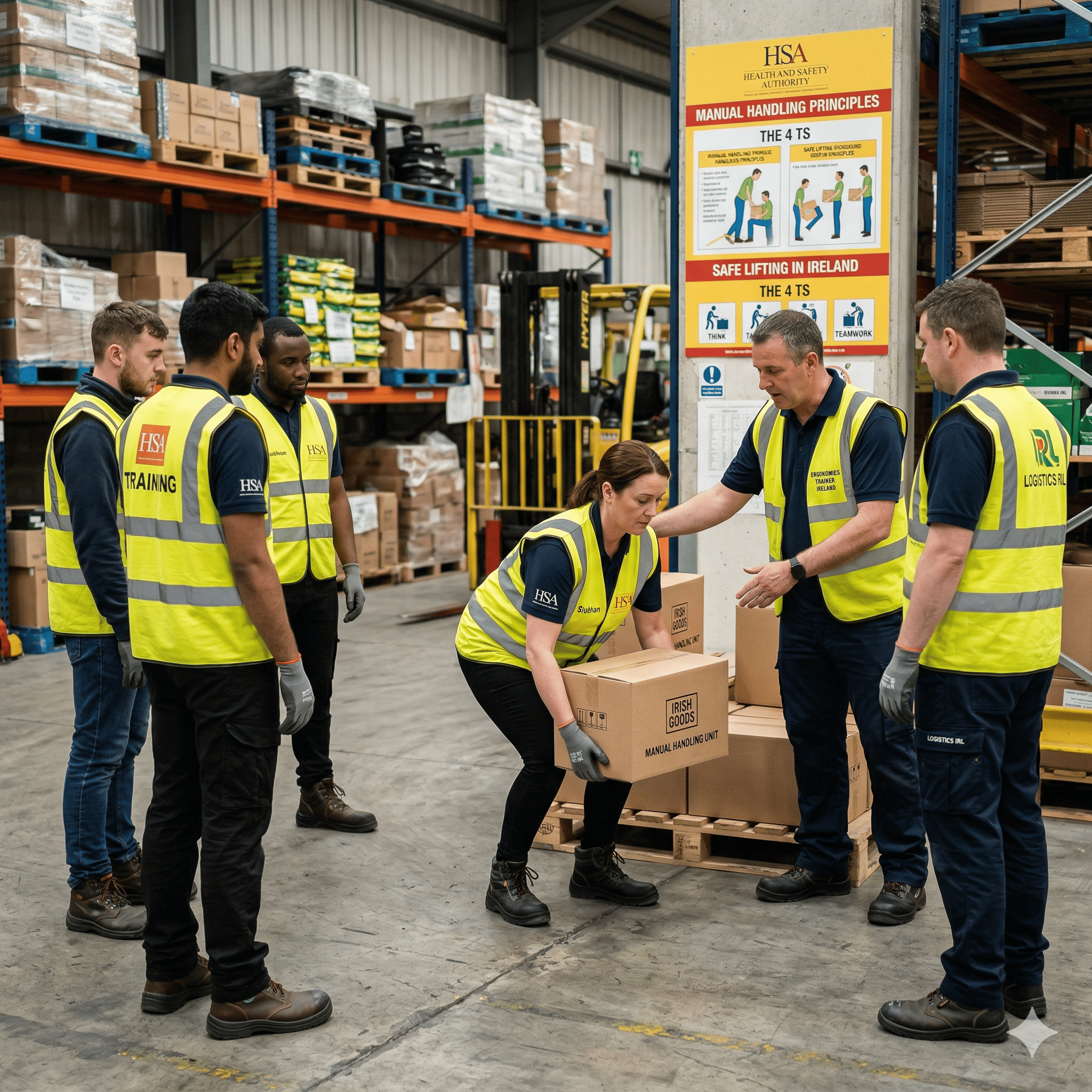
Workplace safety has become a top priority for businesses across Ireland, especially in industries where manual handling tasks are part of daily operations. From lifting heavy boxes to repetitive movements in offices or healthcare settings, improper techniques can lead to serious injuries.
This is where ergonomics plays a crucial role. When combined with manual handling training Ireland, ergonomic principles help employees work more efficiently while significantly reducing the risk of injury.
In this article, we’ll explore how ergonomics enhances manual handling Ireland practices and why it is essential for modern workplaces.
What Is Ergonomics?
Ergonomics is the science of designing work tasks, equipment, and environments to fit the capabilities of the human body. The goal is simple: reduce strain, improve comfort, and increase productivity.
In the context of manual handling course Ireland, ergonomics focuses on teaching workers how to move safely and use their bodies in the most efficient way possible.
Why Ergonomics Matters in Manual Handling
Manual handling injuries—especially back pain, muscle strains, and joint issues—are among the most common workplace problems in Ireland. These injuries often result from:
- Poor posture
- Repetitive movements
- Lifting heavy or awkward loads
- Inadequate workplace design
A well-structured manual handling training Ireland program incorporates ergonomic principles to address these risks.
Key Ergonomic Principles in Manual Handling
Understanding ergonomic fundamentals is essential for safe manual handling. A high-quality manual handling course online or in-person training typically covers the following principles:
1. Maintaining Neutral Posture
One of the most important ergonomic concepts is maintaining a neutral spine position. This means keeping the natural curve of the spine while lifting or carrying loads.
Employees who complete a manual handling certificate Ireland learn to:
- Avoid bending or twisting the back
- Keep shoulders aligned
- Maintain balance during movements
This reduces pressure on the spine and prevents injuries.
2. Using the Right Muscles
Ergonomics emphasizes using the strongest muscles in the body—primarily the legs—for lifting tasks.
Instead of relying on the back, workers are trained through manual handling training for staff Ireland to:
- Bend their knees
- Engage leg muscles
- Lift smoothly and steadily
This approach minimizes strain and increases lifting efficiency.
3. Keeping Loads Close to the Body
Holding a load away from the body increases strain on the back and arms.
A manual handling course Ireland teaches employees to keep loads close to their center of gravity, improving balance and reducing effort.
4. Avoiding Repetitive Strain
Repetitive movements can lead to long-term injuries such as musculoskeletal disorders.
Ergonomic training encourages:
- Task rotation
- Regular breaks
- Use of assistive tools
These strategies help reduce fatigue and protect long-term health.
5. Adjusting the Work Environment
Ergonomics is not just about how people move—it’s also about the environment they work in.
Employers who prioritize manual handling Ireland safety should ensure:
- Workstations are at appropriate heights
- Storage areas are easily accessible
- Equipment is designed for ease of use
A well-designed workspace supports safer manual handling practices.
How Ergonomics Enhances Manual Handling Training Ireland
Integrating ergonomics into manual handling training Ireland provides several key benefits:
Improved Safety
Ergonomic techniques reduce the likelihood of injuries by promoting safer movements and better posture.
Increased Productivity
Employees who work comfortably and efficiently are more productive. Ergonomics minimizes fatigue, allowing workers to perform tasks more effectively.
Reduced Absenteeism
Fewer injuries mean fewer sick days. Businesses that invest in ergonomic manual handling course Ireland programs often see a reduction in absenteeism.
Better Employee Well-Being
A focus on ergonomics shows employees that their health and safety are valued, leading to higher morale and job satisfaction.
The Role of Employers in Ergonomic Safety
Employers play a critical role in implementing ergonomic practices. Their responsibilities include:
- Providing manual handling training for staff Ireland that includes ergonomic principles
- Supplying appropriate equipment such as lifting aids
- Designing workspaces that minimize strain
- Conducting regular risk assessments
By supporting ergonomic practices, employers can create a safer and more efficient workplace.
The Role of Employees in Ergonomic Practices
Employees also have responsibilities when it comes to ergonomics. These include:
- Applying techniques learned in a manual handling course online
- Using equipment correctly
- Reporting discomfort or potential hazards
- Taking breaks to avoid fatigue
Active participation from employees is essential for maintaining safe practices.
Common Ergonomic Mistakes in Manual Handling
Despite training, some common mistakes still occur in workplaces:
- Lifting with a rounded back
- Twisting while carrying loads
- Ignoring available equipment
- Overreaching or overloading
A valid manual handling cert helps reinforce correct techniques and reduce these errors.
Ergonomics Across Different Industries
Ergonomic principles apply to a wide range of industries in Ireland:
Warehousing and Logistics
Workers frequently lift and move heavy items. Ergonomic training ensures proper lifting techniques and the use of equipment.
Healthcare
Staff often assist patients, making ergonomics essential for preventing injuries.
Construction
Handling tools and materials requires strength and proper technique to avoid strain.
Office Environments
Even desk-based roles benefit from ergonomics, especially when it comes to posture and repetitive tasks.
A comprehensive manual handling certificate Ireland prepares employees for these diverse environments.
Online Training and Ergonomics
With the rise of digital learning, many businesses are choosing manual handling course online options. These courses often include:
- Interactive demonstrations of ergonomic techniques
- Visual guides for proper posture
- Flexible learning schedules
Online training makes it easier for employees to understand and apply ergonomic principles in real-world situations.
Long-Term Benefits of Ergonomic Manual Handling Training
Investing in ergonomic manual handling training Ireland offers long-term advantages for businesses:
- Lower healthcare and insurance costs
- Improved compliance with safety regulations
- Enhanced company reputation
- Stronger workplace culture
For employees, it means better health, reduced pain, and increased confidence in performing tasks.
Building an Ergonomic Workplace Culture
Creating a culture that prioritizes ergonomics requires ongoing effort. Businesses should:
- Encourage open communication about safety
- Provide regular refresher training
- Continuously assess and improve work environments
When ergonomics becomes part of daily operations, the benefits are long-lasting.
Conclusion
Ergonomics is a vital component of effective manual handling Ireland practices. By focusing on proper posture, efficient movement, and well-designed work environments, businesses can significantly reduce the risk of injury.
A high-quality manual handling course Ireland ensures that employees understand and apply ergonomic principles in their daily tasks. Whether through in-person sessions or a manual handling course online, training plays a key role in promoting safety and efficiency.
Ultimately, integrating ergonomics into manual handling training Ireland is not just about compliance—it’s about creating a healthier, more productive workplace where employees can perform at their best.