



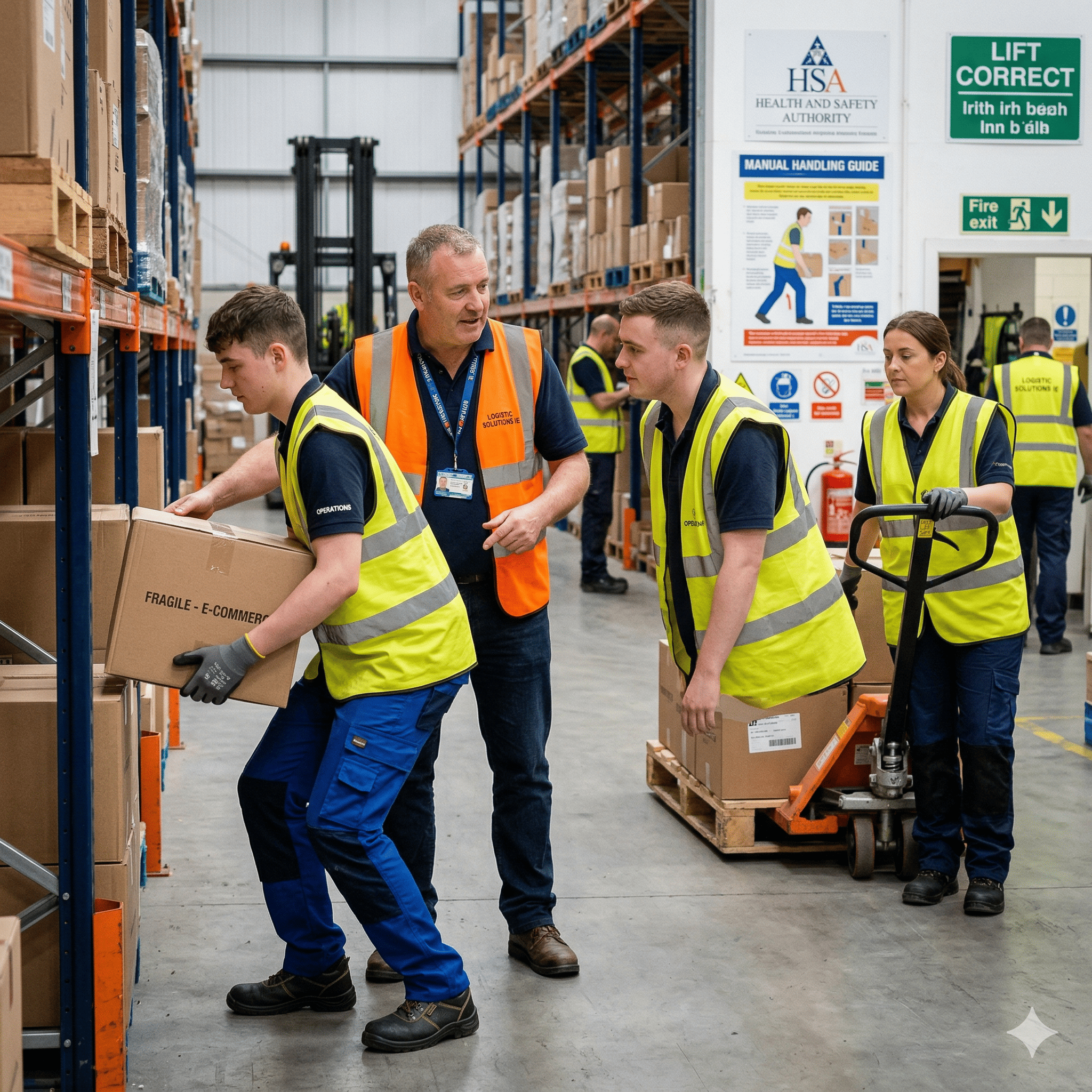
Manual handling is one of the most common workplace activities across Ireland, but it also remains a leading cause of employee injuries. From lifting heavy items in warehouses to handling patients in healthcare settings, improper techniques can lead to serious physical harm and long-term health issues.
For this reason, employers play a critical role in ensuring manual handling compliance Ireland. By providing proper training, implementing safety measures, and maintaining up-to-date certifications, businesses can protect their workforce while meeting legal obligations.
Understanding Manual Handling Compliance
Manual handling compliance refers to adhering to Irish health and safety regulations governing the safe lifting, carrying, pushing, and pulling of objects in the workplace. Employers are legally required to identify risks and take appropriate measures to minimize them.
Providing a manual handling course Ireland is one of the most effective ways to meet these obligations. Training ensures that employees understand safe practices and are equipped to carry out their duties without risking injury.
Legal Responsibilities of Employers
Under Irish workplace safety legislation, employers have a duty of care to ensure the health and safety of their employees. This includes managing risks associated with manual handling tasks.
Key Employer Responsibilities:
1. Conducting Risk Assessments
Employers must assess all tasks involving manual handling to identify potential hazards. This includes evaluating the weight of objects, the working environment, and the physical capabilities of employees.
Risk assessments should be documented and reviewed regularly, especially when work processes change.
2. Providing Adequate Training
One of the most important responsibilities is ensuring that employees receive proper manual handling training Ireland. Training should cover:
- Safe lifting and handling techniques
- Correct posture and movement
- Use of mechanical aids
- Risk awareness and prevention
Employees should complete a certified course and obtain a manual handling certificate Ireland, which demonstrates compliance with training requirements.
3. Supplying Proper Equipment
Employers must provide suitable equipment to reduce the need for manual handling wherever possible. This includes:
- Trolleys and carts
- Hoists and lifting aids
- Adjustable workstations
Using the right equipment significantly reduces the risk of injury and supports safer working practices.
4. Ensuring Ongoing Supervision and Support
Training alone is not enough. Employers must ensure that safe practices are followed consistently. This involves:
- Supervising employees during manual handling tasks
- Providing refresher training when needed
- Addressing unsafe behavior or practices
5. Maintaining Training Records
Keeping records of completed training is essential for demonstrating compliance. Employers should track when employees complete their manual handling course Ireland and ensure certifications are renewed regularly, typically every three years.
Why Employer Involvement Matters
Employers are at the center of workplace safety. Their commitment to compliance has a direct impact on employee wellbeing and business performance.
1. Reducing Workplace Injuries
Proper training and risk management significantly reduce injuries caused by manual handling. This leads to fewer sick days, lower insurance claims, and a healthier workforce.
2. Ensuring Legal Compliance
Failure to comply with manual handling regulations can result in fines, legal action, and reputational damage. Providing certified manual handling training Ireland helps businesses meet their legal obligations and avoid penalties.
3. Improving Productivity
Employees who are trained in safe handling techniques work more efficiently and with greater confidence. This reduces downtime and improves overall productivity.
4. Building a Safety Culture
When employers prioritize safety, it creates a culture where employees are more aware of risks and proactive in preventing accidents. This leads to long-term improvements in workplace safety.
The Role of Online Training in Compliance
Modern workplaces are increasingly turning to digital solutions to meet training requirements. A manual handling course online offers a flexible and cost-effective way to ensure compliance.
Online training allows employees to complete courses at their own pace, making it easier for businesses to train large teams without disrupting operations. It also provides instant certification, helping employers quickly meet legal requirements.
For employers, online training offers additional benefits:
- Easy tracking of employee progress
- Centralized training records
- Scalable solutions for growing teams
- Reduced training costs
When Should Employers Provide Refresher Training?
Manual handling training is not a one-time requirement. Employers must ensure that training remains current and relevant.
Refresher training should be provided:
- Every three years (standard industry practice)
- When job roles or tasks change
- After workplace incidents or near misses
- When new equipment is introduced
- If employees demonstrate unsafe handling practices
Offering a refresher manual handling course Ireland ensures ongoing compliance and reinforces safe working habits.
Common Challenges Employers Face
Despite clear responsibilities, many employers encounter challenges in maintaining compliance:
1. Managing Large Teams
Training multiple employees can be time-consuming and costly. Online courses help address this by allowing simultaneous training.
2. Keeping Certifications Up to Date
Tracking renewal dates for multiple employees can be difficult. Implementing a system to monitor certifications ensures no one falls out of compliance.
3. Balancing Cost and Quality
Some employers hesitate due to training costs. However, affordable online options make it possible to provide high-quality manual handling training Ireland without exceeding budgets.
4. Ensuring Practical Application
Employees may complete training but fail to apply it in real situations. Regular supervision and refresher sessions help reinforce correct practices.
Best Practices for Employers
To ensure effective manual handling compliance, employers should follow these best practices:
- Conduct regular risk assessments
- Provide certified training for all relevant staff
- Use a combination of online and practical training
- Monitor employee performance and provide feedback
- Keep detailed training records
- Schedule regular refresher courses
By taking a proactive approach, employers can minimize risks and maintain a safe working environment.
The Business Benefits of Compliance
Investing in manual handling compliance Ireland offers long-term advantages for businesses:
- Reduced Costs: Fewer injuries mean lower insurance and compensation expenses
- Improved Reputation: Demonstrates commitment to employee safety
- Higher Employee Retention: Staff are more likely to stay in a safe workplace
- Operational Efficiency: Fewer disruptions from accidents or absenteeism
Compliance is not just about meeting legal requirements—it’s a strategic investment in the success of the business.
Conclusion
Employers play a vital role in ensuring manual handling compliance Ireland. From conducting risk assessments to providing certified manual handling training Ireland, their responsibilities are essential for protecting employees and maintaining legal compliance.
By offering a manual handling course Ireland, whether online or in person, businesses can equip staff with the skills needed to work safely and efficiently. Regular refresher training, proper supervision, and the use of appropriate equipment further strengthen workplace safety.
In today’s competitive environment, prioritizing manual handling compliance is not just a legal obligation—it’s a smart business decision that benefits both employees and employers.