



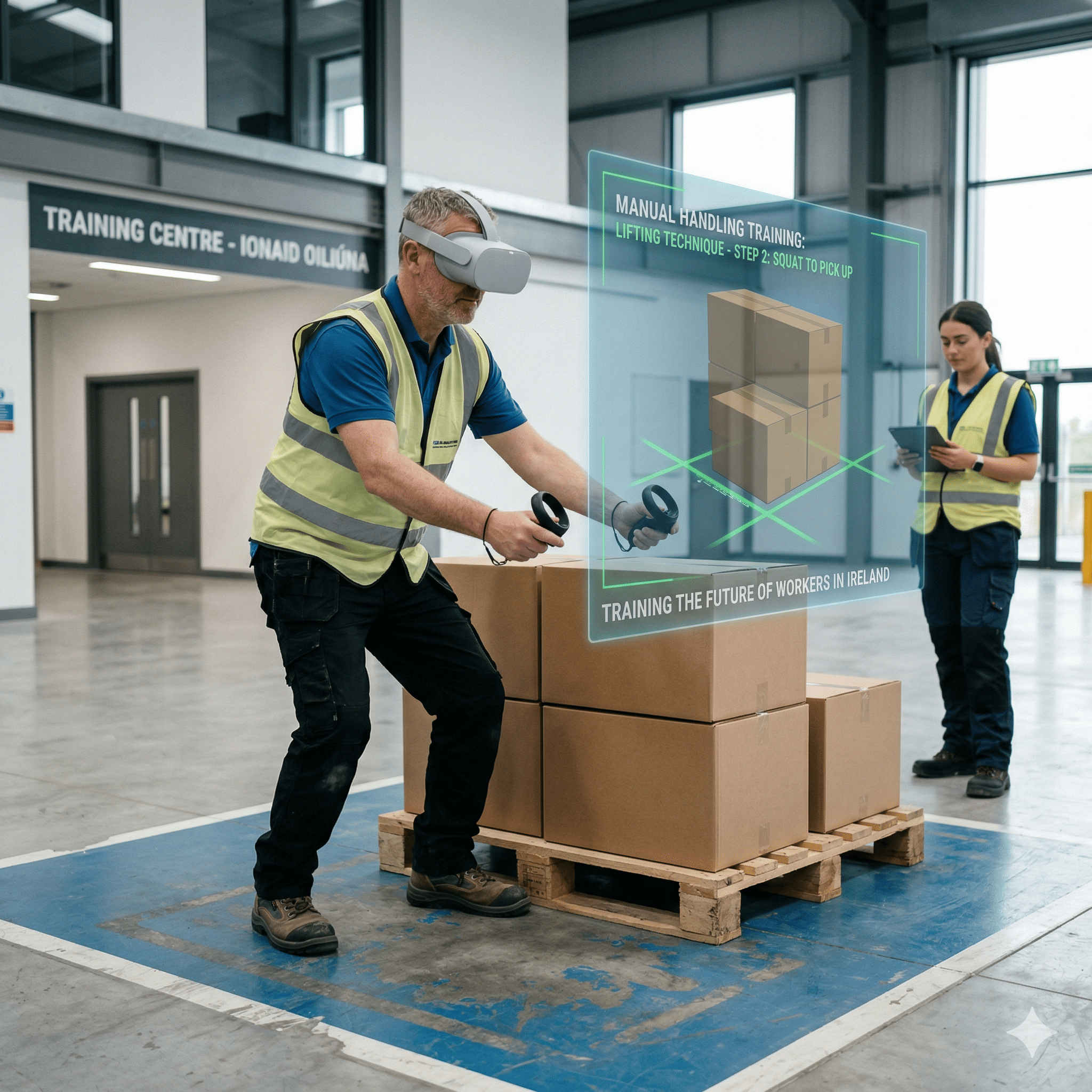
Manual handling training has long been a cornerstone of workplace safety in Ireland. However, as technology evolves and workplaces become more dynamic, the way training is delivered is rapidly changing.
Today, manual handling training Ireland is no longer limited to traditional classroom sessions. New technologies, flexible learning models, and data-driven approaches are shaping the future of how employees gain their manual handling certificate Ireland.
In this article, we explore the key trends that are transforming the industry and what businesses and learners can expect in the coming years.
The Growing Importance of Manual Handling Training
Manual handling remains one of the leading causes of workplace injuries in Ireland, accounting for a significant percentage of reported incidents.
This ongoing risk means that training will continue to be essential. However, the focus is shifting from basic compliance to high-quality, practical, and engaging training methods that deliver real results.
1. The Rise of Online Learning
One of the most significant trends is the continued growth of manual handling course online options.
Online learning allows individuals and businesses to:
- Complete training anytime and anywhere
- Reduce costs associated with travel and downtime
- Get certified quickly
Modern platforms also offer interactive content, videos, and instant certification, making them more effective than early versions of online training.
As remote and hybrid work models grow, online training will likely become the default choice for many organizations.
2. Blended Learning Becomes the Standard
While online learning is popular, the future lies in blended learning—a combination of digital and practical training.
This approach includes:
- Online theory modules
- In-person or video-based practical assessments
Blended learning offers the best of both worlds:
- Flexibility of online training
- Hands-on experience for real-world application
Experts highlight that combining these methods improves both engagement and knowledge retention.
3. Virtual Reality (VR) and Augmented Reality (AR)
Technology is taking training to the next level through immersive experiences.
VR and AR are being introduced to simulate real workplace scenarios, allowing learners to:
- Practice lifting techniques safely
- Experience different risk situations
- Improve muscle memory
These technologies create a realistic training environment without physical risk, making them highly effective for skill development.
While still emerging, VR-based manual handling training Ireland is expected to grow significantly in the coming years.
4. Personalized Training Programs
The future of training is not one-size-fits-all.
Modern manual handling course Ireland programs are increasingly tailored to:
- Specific industries (construction, healthcare, retail)
- Individual roles and responsibilities
- Employee experience levels
Personalized learning ensures that employees receive relevant and practical training, improving both safety and efficiency.
5. Increased Focus on Ergonomics
Ergonomics is becoming a central part of manual handling training.
Rather than just teaching lifting techniques, modern courses focus on:
- Workplace design
- Posture improvement
- Reducing repetitive strain
This shift helps prevent long-term injuries and supports overall employee wellbeing.
As workplaces evolve, ergonomic awareness will become a key component of every manual handling training Ireland program.
6. Mobile Learning and On-Demand Access
Another growing trend is the use of mobile-friendly training platforms.
Learners can now:
- Access courses on smartphones or tablets
- Complete modules on the go
- Revisit training materials anytime
Mobile learning makes it easier for employees to stay compliant and up to date, especially in fast-paced industries.
7. Data-Driven Training and Analytics
Technology is also enabling better tracking and improvement of training programs.
Employers can now use data to:
- Monitor employee progress
- Identify knowledge gaps
- Improve training effectiveness
Data-driven insights help businesses ensure that their manual handling training Ireland programs deliver real results, not just certification.
8. Gamification for Better Engagement
Gamification is becoming increasingly popular in training programs.
This includes:
- Interactive quizzes
- Progress tracking
- Rewards and achievements
Adding game-like elements makes learning more engaging and encourages participation.
For younger and digital-native workers, this approach significantly improves motivation and retention.
9. Integration into Education and Career Pathways
Manual handling training is no longer just for employees—it’s becoming part of education and career development.
In Ireland, certification is increasingly included in:
- Apprenticeships
- Vocational training programs
- Healthcare and childcare courses
This ensures that individuals enter the workforce already equipped with essential safety skills.
10. Greater Employer Involvement
Employers are playing a more active role in training than ever before.
Many companies now:
- Include manual handling course Ireland in onboarding
- Provide regular refresher training
- Customize programs for their workforce
This shift ensures that training is aligned with real workplace needs and risks.
11. Emphasis on Real-World Application
Future training programs will focus more on practical, real-world scenarios rather than just theory.
This includes:
- Scenario-based learning
- Workplace simulations
- Problem-solving exercises
The goal is to ensure that employees can apply what they learn in everyday situations.
12. Continuous Learning and Micro-Certifications
Instead of one-time certification, the future is moving toward continuous learning.
Employees may:
- Complete short refresher modules
- Update skills regularly
- Earn micro-certifications
This approach keeps knowledge fresh and ensures ongoing compliance.
13. Higher Standards and Quality Expectations
As awareness grows, there is increasing demand for high-quality training programs.
Businesses are moving away from “tick-the-box” courses and focusing on:
- Accredited providers
- Practical assessments
- Measurable outcomes
This trend is driven by the need to reduce injuries and improve workplace performance.
Challenges Ahead
While the future is promising, there are still challenges to address:
- Ensuring online courses include proper practical elements
- Maintaining consistent standards across providers
- Adapting training to rapidly changing workplaces
Addressing these challenges will be key to the continued success of manual handling training Ireland.
Conclusion
The future of manual handling training Ireland is being shaped by technology, flexibility, and a stronger focus on real-world skills. From online learning and VR simulations to personalized training and data-driven insights, the industry is evolving rapidly.
A modern manual handling course Ireland is no longer just about compliance—it’s about improving safety, efficiency, and employee wellbeing.
As these trends continue to develop, businesses and individuals who embrace innovation will be better positioned to stay compliant, reduce risks, and succeed in the modern workplace.
Call to Action:
“Stay ahead of the curve—enroll in a modern manual handling course online and gain the skills needed for the future of workplace safety in Ireland.”