



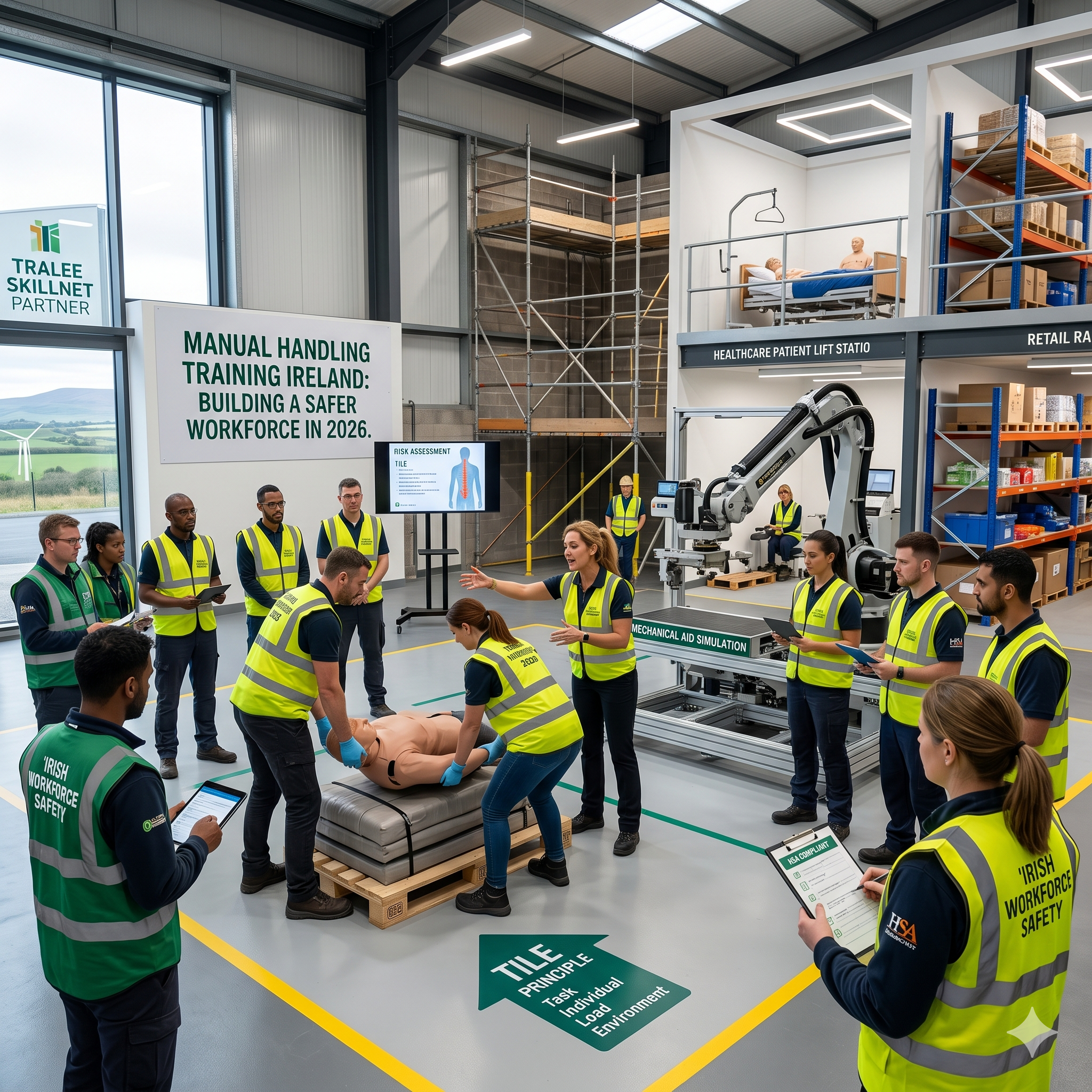
Workplace safety is entering a new phase in 2026. Across Ireland, employers are no longer treating safety training as a simple compliance task. Instead, it is becoming a core part of how businesses operate, grow, and retain staff. One of the most important areas of focus remains manual handling.
From warehouses and construction sites to healthcare facilities and offices, manual handling tasks are part of everyday work. When done incorrectly, they can lead to injuries, lost productivity, and long-term health issues. When done correctly, they improve efficiency, confidence, and overall performance.
This is why manual handling training Ireland is more important than ever. A structured manual handling course Ireland combined with a valid manual handling certificate Ireland provides the foundation—but building a safer workforce requires more than just certification. It requires consistency, awareness, and a shift in workplace culture.
Why Workplace Safety Is Changing in 2026
The modern workplace looks very different compared to a few years ago. Businesses are adapting to:
- Hybrid and remote work models
- Faster-paced operations
- Increased regulatory expectations
- Greater focus on employee well-being
These changes mean that traditional approaches to safety are no longer enough. Employers must now take a proactive approach, ensuring that safety is built into everyday processes.
Manual handling Ireland practices play a key role in this shift because they directly impact how employees perform physical tasks on a daily basis.
The Ongoing Risk of Manual Handling Injuries
Despite advances in safety awareness, manual handling injuries remain one of the leading causes of workplace incidents.
These injuries often include:
- Back pain and spinal strain
- Muscle and joint injuries
- Repetitive strain issues
- Long-term physical discomfort
What makes them particularly challenging is that they often develop gradually rather than from a single event. This makes prevention through manual handling training Ireland essential.
Moving Beyond Basic Compliance
In the past, many businesses focused on training simply to meet legal requirements. While compliance is still important, it is no longer the main goal.
In 2026, employers are looking at:
- Reducing long-term injury risks
- Improving productivity
- Supporting employee well-being
- Creating a strong safety culture
A manual handling course Ireland should not just provide information—it should change how employees think and act in their daily work.
What Effective Training Looks Like Today
Modern manual handling training Ireland is designed to be practical, relevant, and easy to apply.
Employees learn how to:
- Assess risks before starting a task
- Use proper lifting and carrying techniques
- Avoid unnecessary strain
- Make safer decisions in real time
A manual handling certificate Ireland confirms that these skills have been learned, but real effectiveness comes from applying them consistently.
The Role of Online Learning in 2026
One of the biggest changes in recent years is the rise of digital training.
A manual handling course Ireland delivered online offers:
- Flexible access for employees
- Consistent training across teams
- Faster certification processes
- Easy tracking and management
Online learning is especially valuable for businesses with remote or distributed teams. It ensures that all employees receive the same level of manual handling Ireland knowledge, regardless of location.
Building Safe Habits, Not Just Knowledge
Training alone is not enough to prevent injuries. Employees must develop habits that support safe behavior.
This includes:
- Taking a moment to assess tasks before starting
- Using correct techniques every time
- Avoiding shortcuts, even under pressure
- Staying aware of surroundings
Habits are built through repetition, and strong manual handling Ireland practices should become second nature.
Supporting Employees Through Better Awareness
Awareness is one of the most powerful tools in injury prevention.
Employees who complete manual handling training Ireland are more likely to:
- Recognize potential hazards
- Adjust their approach to tasks
- Communicate risks with colleagues
This level of awareness helps prevent accidents before they happen.
The Business Benefits of a Safer Workforce
Investing in manual handling training Ireland provides clear advantages for businesses.
These include:
- Fewer workplace injuries
- Reduced absenteeism
- Lower insurance and compensation costs
- Improved productivity
- Higher employee morale
A safer workforce is also more stable and more efficient, contributing to long-term business success.
Making Safety Part of Everyday Work
To build a safer workforce, safety must be integrated into daily operations.
Employers can achieve this by:
- Reinforcing training through regular reminders
- Encouraging safe behavior at all levels
- Providing the right tools and equipment
- Leading by example
When safety becomes part of routine work, employees are more likely to follow best practices naturally.
The Importance of Leadership
Leadership plays a crucial role in workplace safety.
Managers and supervisors should:
- Demonstrate correct manual handling techniques
- Address unsafe behavior immediately
- Support employees in making safer choices
When leaders prioritize manual handling Ireland, it sets the tone for the entire organization.
Keeping Skills Up to Date
Workplace conditions change, and so should training.
Employers should ensure that employees:
- Refresh their knowledge regularly
- Update their manual handling certificate Ireland
- Stay informed about best practices
A manual handling course online makes it easier to maintain up-to-date training without disrupting work schedules.
Addressing Common Workplace Challenges
In 2026, businesses face several challenges when it comes to manual handling.
These include:
- Time pressure leading to shortcuts
- Lack of awareness among new employees
- Inconsistent practices across teams
Effective manual handling training Ireland helps address these issues by creating clear, consistent standards.
Creating Long-Term Change
Building a safer workforce is not a one-time effort. It requires ongoing commitment.
Employers should focus on:
- Continuous improvement
- Open communication
- Regular feedback from employees
By doing so, they can strengthen manual handling Ireland practices over time and reduce risks significantly.
The Future of Workplace Safety in Ireland
Looking ahead, workplace safety will continue to evolve.
We can expect:
- Greater use of digital training tools
- Increased focus on employee well-being
- Stronger integration of safety into business strategy
A manual handling course Ireland will remain a key part of this future, helping employees develop the skills needed to work safely and efficiently.
Conclusion
Building a safer workforce in 2026 requires more than just meeting basic requirements. It involves creating a culture where safety is part of everyday work.
Through effective manual handling training Ireland, employees gain the knowledge and confidence to perform tasks safely. A recognised manual handling course Ireland and a valid manual handling certificate Ireland provide the foundation—but real success comes from consistent application.
By prioritizing manual handling Ireland practices, businesses can reduce injuries, improve performance, and create a workplace where employees feel safe, supported, and prepared for the demands of modern work.