



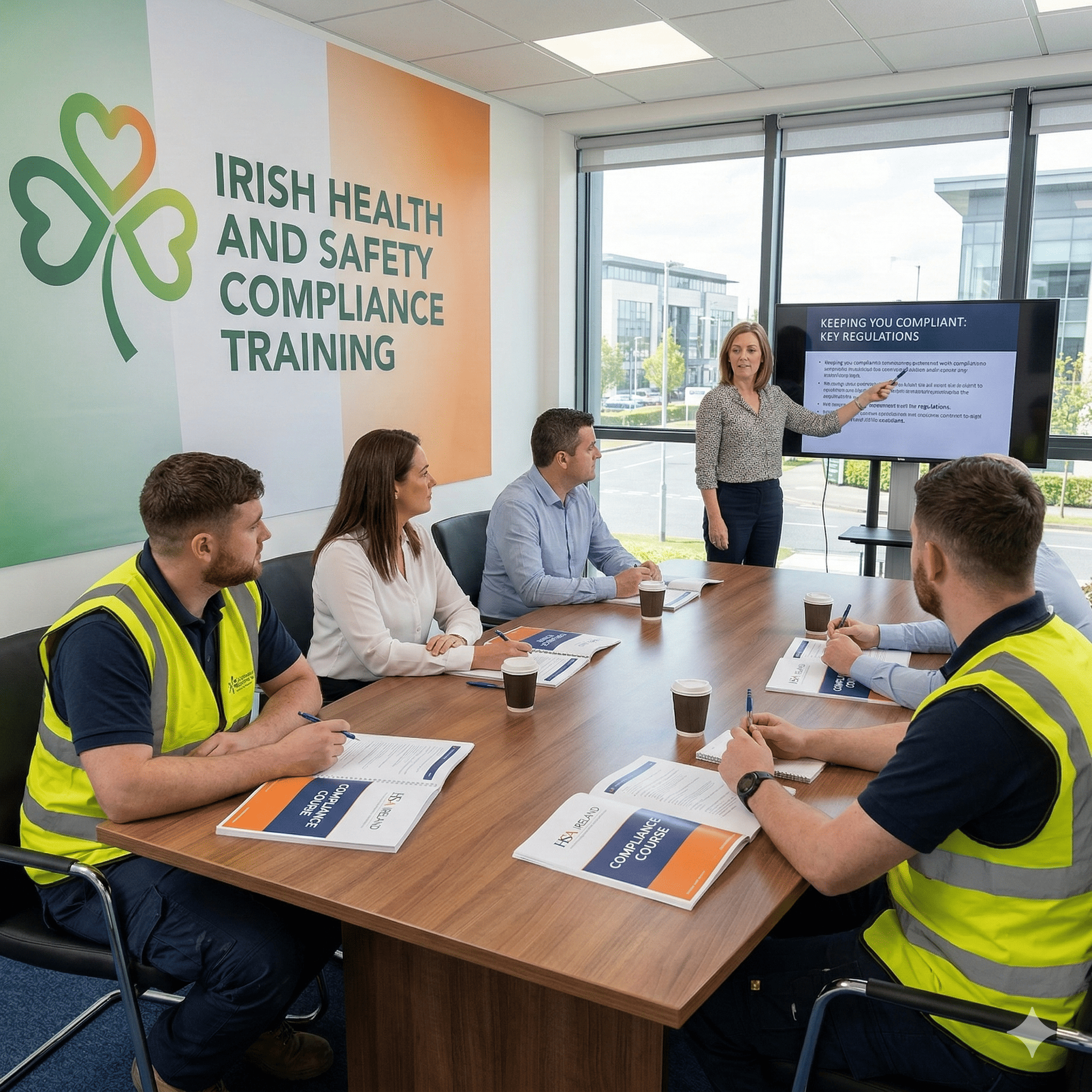
Workplace safety is a top priority for employers and employees in Ireland. Failure to comply with health and safety regulations can result in serious consequences, including workplace accidents, legal penalties, and reputational damage. To ensure compliance and maintain a safe working environment, workers must complete proper health and safety courses in Ireland, including specialized programs such as working at heights training and working at heights online training.
This article explores key health and safety regulations in Ireland, the importance of training, and the courses that help employees stay compliant.
Understanding Health and Safety Regulations in Ireland
Irish health and safety law is primarily governed by the Safety, Health, and Welfare at Work Act 2005, supported by various regulations and guidelines issued by the Health and Safety Authority (HSA). Key responsibilities include:
-
Employers must provide a safe working environment and ensure adequate training.
-
Employees must follow safety procedures and use protective equipment correctly.
-
Risk assessments and control measures must be implemented for hazardous tasks.
-
Accidents and incidents must be reported and investigated appropriately.
Non-compliance can lead to fines, legal action, and serious workplace injuries, emphasizing the importance of comprehensive training.
The Role of Training in Compliance
Health and safety courses online and in-person courses equip employees with the knowledge and skills required to:
-
Identify workplace hazards
-
Implement safety procedures
-
Use equipment safely, including PPE
-
Respond effectively to emergencies
Specialized courses, such as working at heights training, address high-risk activities and ensure employees obtain a working at heights certificate, which serves as proof of competence and compliance.
Key Courses That Keep You Compliant
Here are the most essential courses that help Irish employers and employees meet regulatory requirements:
1. Working at Heights Training
Falls from height are a leading cause of workplace injuries and fatalities in Ireland. This course covers:
-
Risk assessment for elevated work
-
Correct use of harnesses, lanyards, and fall protection systems
-
Safe operation of ladders, scaffolds, and elevated platforms
-
Emergency rescue procedures
Working at heights online training allows employees to complete theoretical modules remotely, while practical assessments ensure real-world competence. Completing this course provides a working at heights certificate, which demonstrates compliance with Irish regulations.
2. Fire Safety Awareness
Fire safety is legally mandated in Irish workplaces. Fire safety courses teach employees to:
-
Identify fire hazards
-
Use fire extinguishers correctly
-
Follow evacuation procedures
-
Understand fire safety legislation in Ireland
Online courses provide interactive learning and immediate certification, ensuring employees can respond effectively in emergencies and comply with legal standards.
3. Manual Handling and Ergonomics
Improper lifting and repetitive movements are common causes of workplace injuries. Courses in manual handling and ergonomics teach:
-
Safe lifting techniques
-
Proper posture and ergonomics
-
Strategies to minimize musculoskeletal injuries
Employers offering this training reduce absenteeism and comply with health and safety regulations relating to physical strain and employee welfare.
4. First Aid at Work
First aid training is crucial for handling emergencies promptly and effectively. Key topics include:
-
CPR and choking response
-
Treating burns, wounds, and fractures
-
Managing shock and medical emergencies
-
Workplace-specific first aid procedures
By completing certified courses, employees are better prepared to protect themselves and colleagues, meeting both legal and ethical obligations.
5. Risk Assessment and Safety Management
Understanding potential hazards and implementing controls is central to compliance. Risk assessment courses teach:
-
Hazard identification and risk evaluation
-
Implementation of control measures
-
Emergency planning and safety audits
-
Continuous monitoring and review
Employees trained in risk assessment help maintain a proactive safety culture and ensure regulatory compliance.
Benefits of Online Health and Safety Courses
Online training provides several advantages for meeting Irish regulations:
-
Flexibility: Employees can complete modules at their own pace without disrupting work schedules.
-
Accessibility: Workers in rural or remote areas can access high-quality training.
-
Cost-effectiveness: Reduced costs compared to in-person training, including travel and venue fees.
-
Immediate certification: Digital certificates, including working at heights certificates, allow employers to track compliance efficiently.
-
Interactive learning: Videos, quizzes, and simulations enhance understanding and retention.
Online learning is particularly effective when combined with optional practical assessments to ensure competency.
Choosing the Right Training Provider
Before enrolling in health and safety courses online, consider the following:
-
Accreditation and Recognition: Ensure the provider is recognized by the HSA or other Irish authorities.
-
Course Content: Verify that modules cover legal requirements, hazard prevention, and emergency response.
-
Practical Components: Some courses offer on-site assessments to demonstrate applied skills.
-
Certification: Confirm that the working at heights certificate or other relevant certificates are recognized by employers and regulators.
-
Support and Resources: Check for access to instructors, additional learning materials, and post-course guidance.
Selecting the right provider ensures both employees and employers stay compliant and well-prepared for workplace safety challenges.
Tips for Staying Compliant
-
Keep Records: Maintain up-to-date certificates and completion records for all employees.
-
Schedule Refresher Training: Many regulations require periodic updates to maintain competence.
-
Promote a Safety Culture: Encourage employees to follow procedures and report hazards.
-
Audit Safety Practices: Regularly review workplace safety measures and training effectiveness.
-
Leverage Online Learning: Integrate health and safety courses online for ongoing education and accessibility.
By combining training with proactive safety management, employers ensure legal compliance and a safer workplace.
Conclusion
Compliance with health and safety regulations in Ireland is non-negotiable. Providing employees with proper training, including working at heights training, first aid, fire safety, and risk assessment courses, ensures a safer work environment while meeting legal obligations.
Working at heights online training and other online courses offer flexible, cost-effective, and accessible ways to achieve compliance, allowing employees to earn recognized certificates, including working at heights certificates, without leaving their workplace or home.
Irish employers who prioritize health and safety courses online protect their workforce, reduce the risk of accidents, avoid legal penalties, and promote a positive safety culture. Investing in training today is a proactive step toward compliance, safety, and long-term business success.