



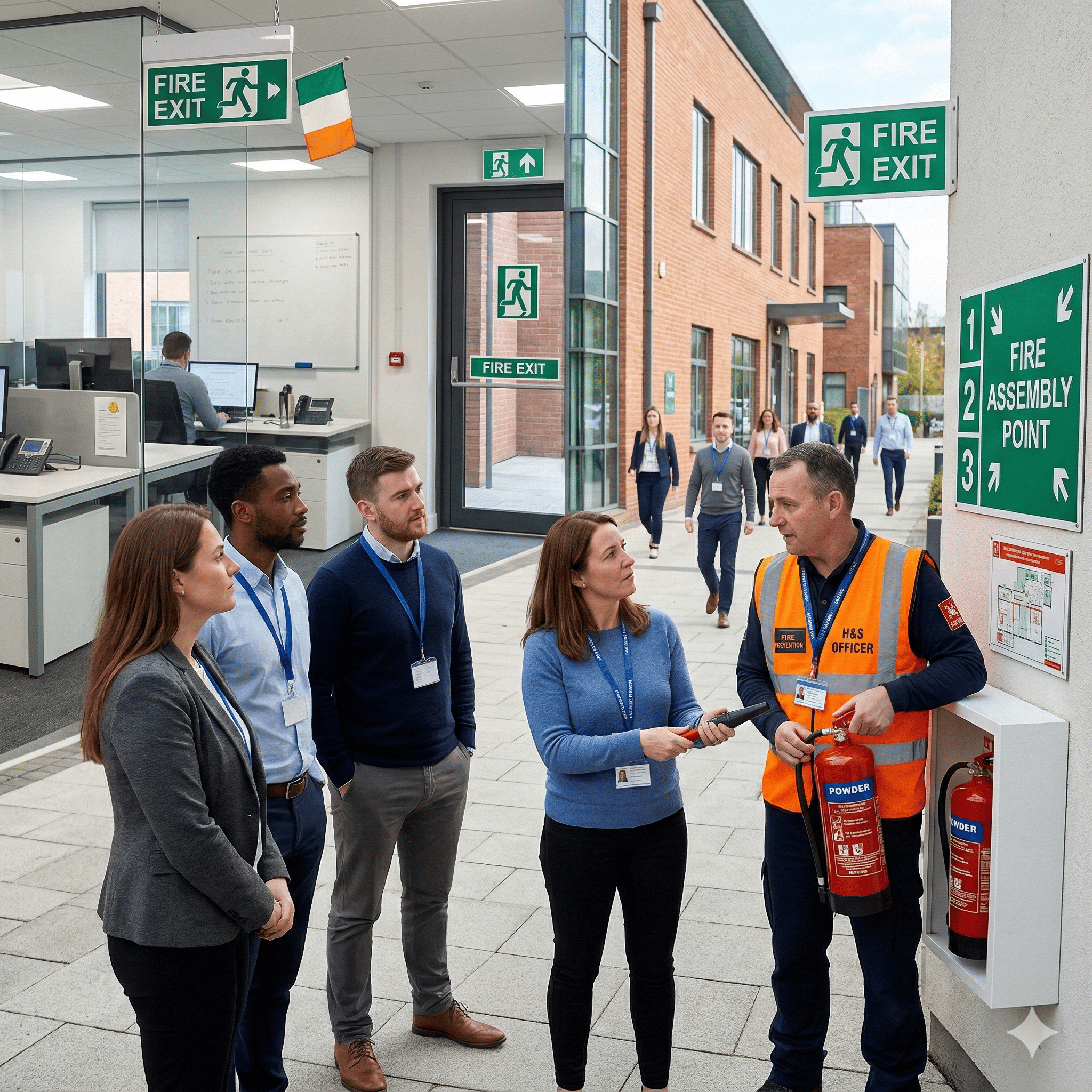
Fire prevention is the most effective way to reduce workplace risk. While emergency response is important, preventing a fire from starting in the first place is the primary goal of any fire safety training in Ireland. Implementing strong fire prevention strategies protects employees, visitors, property, and business continuity.
A recognised fire safety course in Ireland teaches organisations how to identify hazards, reduce ignition risks, and build safer working environments through structured workplace fire safety training in Ireland.
Why Fire Prevention Matters
Most workplace fires are preventable. Poor housekeeping, faulty electrical systems, and improper storage of flammable materials are among the most common causes of fire incidents.
Through effective fire safety awareness training in Ireland, employees learn how everyday actions can either reduce or increase fire risk. Prevention is not just management’s responsibility — it is a shared duty across the workplace.
Guidance on employer obligations is provided by the Health and Safety Authority (HSA), which emphasises risk assessment and proactive control measures.
1. Electrical Safety Management
Electrical faults are one of the leading causes of workplace fires. Preventive measures include:
-
Regular inspection and maintenance of electrical systems
-
Avoiding overloaded sockets and extension leads
-
Replacing damaged cables immediately
-
Switching off non-essential equipment after use
Electrical safety awareness is a key module in health and safety fire training in Ireland and supports overall compliance.
2. Good Housekeeping Practices
Poor housekeeping significantly increases fire risk. Combustible materials such as paper, packaging, and waste can fuel a fire rapidly.
Effective housekeeping includes:
-
Removing waste regularly
-
Keeping storage areas organised
-
Storing flammable materials safely
-
Avoiding clutter in workspaces
These practices are reinforced through structured fire prevention training in Ireland.
3. Safe Storage of Flammable Substances
Workplaces that store chemicals, gases, or flammable liquids must follow strict safety procedures, including:
-
Proper labelling
-
Secure, ventilated storage areas
-
Separation of incompatible materials
-
Limiting quantities stored on-site
Understanding safe storage is essential for completing a recognised fire safety certification in Ireland.
4. Hot Work Controls
Activities such as welding, cutting, and grinding create sparks and high heat. Preventive measures include:
-
Conducting hot work risk assessments
-
Using permits-to-work systems
-
Keeping fire extinguishers nearby
-
Monitoring areas after work is completed
This level of control is often covered in advanced fire warden training in Ireland and fire marshal training in Ireland.
5. Maintaining Fire Detection and Alarm Systems
Early detection significantly reduces fire damage. Employers must:
-
Test fire alarms regularly
-
Maintain emergency lighting
-
Ensure smoke and heat detectors are functional
-
Keep evacuation routes clearly marked
Regular testing supports effective workplace fire safety training in Ireland and ensures staff respond quickly during emergencies.
6. Clear Emergency Exits and Escape Routes
Blocked exits can turn a small fire into a major incident. Preventive strategies include:
-
Keeping corridors and stairwells clear
-
Ensuring fire doors close properly
-
Clearly marking assembly points
-
Conducting regular evacuation drills
These procedures are central to fire safety awareness training in Ireland and help reinforce safe behaviours.
7. Ongoing Fire Safety Training
Prevention is strongest when employees are properly trained. Regular online fire safety training in Ireland or in-person instruction ensures staff remain aware of:
-
Workplace hazards
-
Evacuation procedures
-
Fire extinguisher use
-
Reporting systems
Training refreshers maintain awareness and support compliance with Irish legislation.
Building a Fire Prevention Culture
Effective fire prevention goes beyond checklists. It requires building a culture where:
-
Hazards are reported immediately
-
Fire safety procedures are taken seriously
-
Employees participate actively in drills
-
Management leads by example
When organisations integrate prevention into daily operations through structured fire safety training in Ireland, risks are significantly reduced.
Conclusion
Fire prevention strategies for Irish workplaces are essential for protecting lives and ensuring legal compliance. By combining risk assessments, safe storage, electrical safety, housekeeping standards, and ongoing workplace fire safety training in Ireland, organisations create safer environments for everyone.
Completing a recognised fire safety course in Ireland, supported by fire prevention training in Ireland, ensures businesses meet their legal obligations while actively reducing the risk of fire incidents. Prevention is always safer — and more cost-effective — than response.