



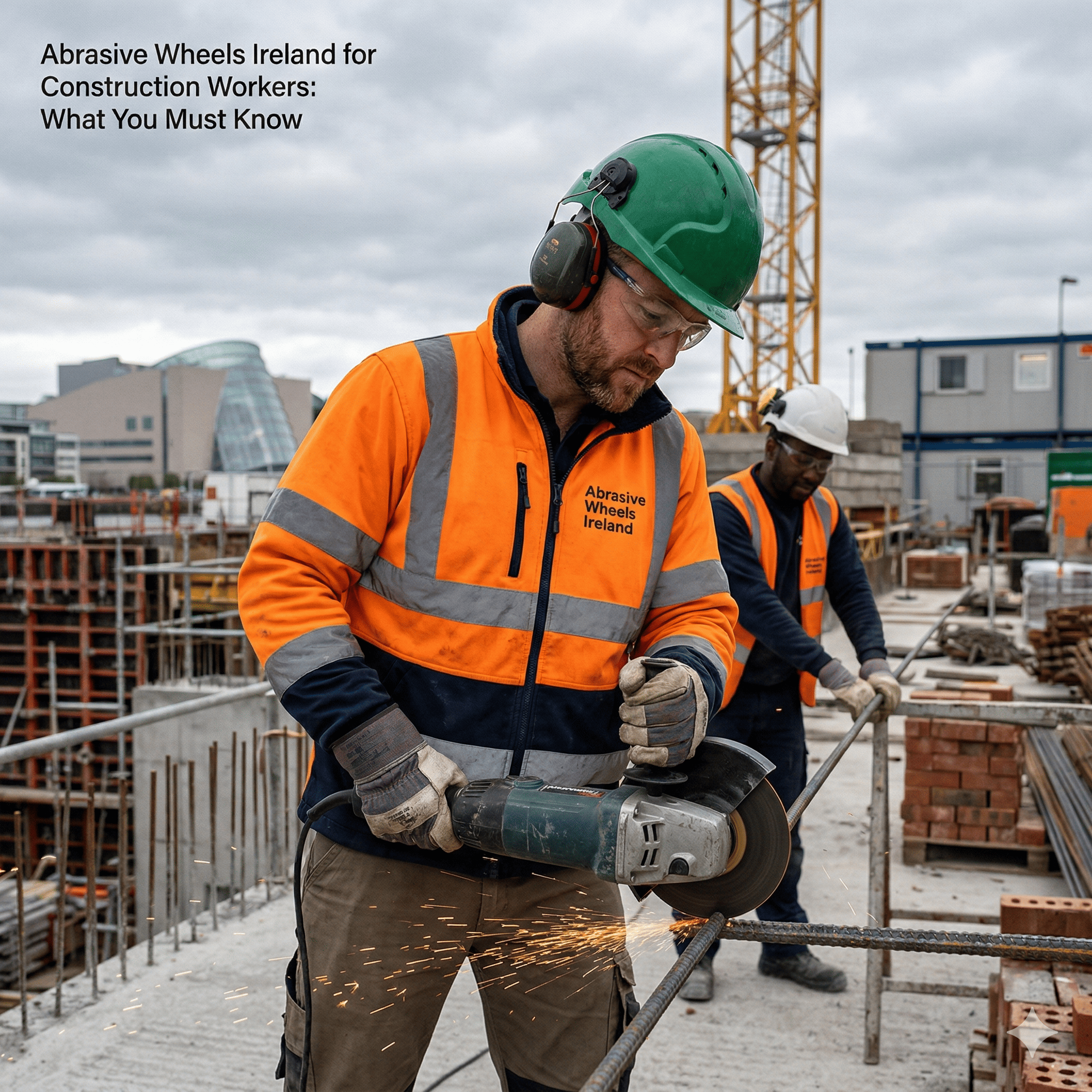
Construction sites across Ireland rely heavily on cutting and grinding equipment. From steel reinforcement to concrete cutting, abrasive wheels are used daily. However, without proper training and awareness, these tools can pose serious safety risks.
If you work in construction, understanding Abrasive Wheels Ireland requirements, certification standards, and safe operating procedures is essential for compliance and personal safety.
Why Abrasive Wheels Safety Is Critical on Construction Sites
Construction environments are fast-paced and high-risk. Abrasive wheels operate at extremely high speeds and can cause severe injuries if misused.
Common site risks include:
-
Wheel shattering
-
Flying debris
-
Severe cuts and lacerations
-
Eye and facial injuries
-
Burns from sparks
-
Fire hazards near flammable materials
The Health and Safety Authority requires employers to ensure workers using abrasive wheels are properly trained and competent.
Who on Site Needs Abrasive Wheels Ireland Certification?
On construction projects, the following roles typically require Abrasive Wheels Ireland certification:
-
General operatives using angle grinders
-
Steel fixers
-
Concrete cutters
-
Groundworkers
-
Maintenance workers
-
Site supervisors overseeing cutting operations
-
Apprentices and trainees
If you mount, change, or operate abrasive wheels, you should hold a valid abrasive wheels certificate.
Legal Requirements for Construction Employers
Under Irish workplace safety legislation, construction employers must:
✔ Provide appropriate safety training Ireland
✔ Ensure workers are competent before using equipment
✔ Conduct risk assessments
✔ Maintain safe systems of work
✔ Provide correct PPE
✔ Keep training records
Failing to meet these obligations can lead to enforcement action, site shutdowns, or fines.
What Construction Workers Learn in Abrasive Wheels Ireland Training
A recognised Abrasive Wheels Ireland course covers key safety principles tailored to site conditions:
1️⃣ Wheel Selection
Choosing the correct disc for cutting steel, concrete, or masonry.
2️⃣ Understanding Speed Ratings
Ensuring the wheel’s RPM matches the machine’s operating speed.
3️⃣ Correct Mounting Procedures
Safe fitting, flange positioning, and tightening methods.
4️⃣ Pre-Use Inspections
Checking for cracks, damage, or expiry dates.
5️⃣ Safe Operating Techniques
Maintaining proper stance, grip, and pressure control.
6️⃣ PPE Requirements
Mandatory use of:
-
Safety goggles or face shields
-
Gloves
-
Hearing protection
-
Dust masks where required
These measures significantly reduce accident risk.
Common Mistakes on Construction Sites
Construction workers often face tight deadlines, which can lead to unsafe shortcuts.
Frequent mistakes include:
-
Removing machine guards
-
Using damaged discs
-
Applying excessive pressure
-
Ignoring speed ratings
-
Failing to wear PPE
Proper Abrasive Wheels Ireland training reinforces safe habits and prevents these errors.
Online vs In-Person Training for Construction Workers
Many workers choose Abrasive Wheels Ireland online training for convenience and quick certification, often completed in less than one day.
However, in-person training may be preferred for:
-
Apprentices
-
New operators
-
Companies requiring practical demonstrations
Both formats must provide recognised Abrasive Wheels Ireland certification to meet compliance standards.
Benefits of Certification for Construction Workers
Holding a valid abrasive wheels certificate:
✔ Allows site access
✔ Demonstrates professional competence
✔ Improves job opportunities
✔ Reduces accident risk
✔ Protects employers from liability
Certification is often required before workers are permitted to use angle grinders on site.
Final Thoughts
Abrasive wheels are essential tools in Irish construction — but they must be used safely. Understanding Abrasive Wheels Ireland requirements, completing recognised safety training Ireland, and maintaining a valid abrasive wheels certificate are critical for protecting yourself and your team.
Safety on construction sites is everyone’s responsibility — and proper training is the foundation.